SAR 4.2m
German machinery supplier
Eleven invoices unpaid. The debtor had ignored 14 months of emails and two payment plans.
We filed and obtained a freeze on the debtor’s bank accounts nine weeks later.
Paid in fullin 4 months
If a Saudi company owes you money, we take them to court in Saudi Arabia and enforce the judgment. Our clients are in the USA, the UK and 20 other countries.
SAR 435,000,000
Recovered for clients since 2020. Every case filed and enforced inside Saudi Arabia.
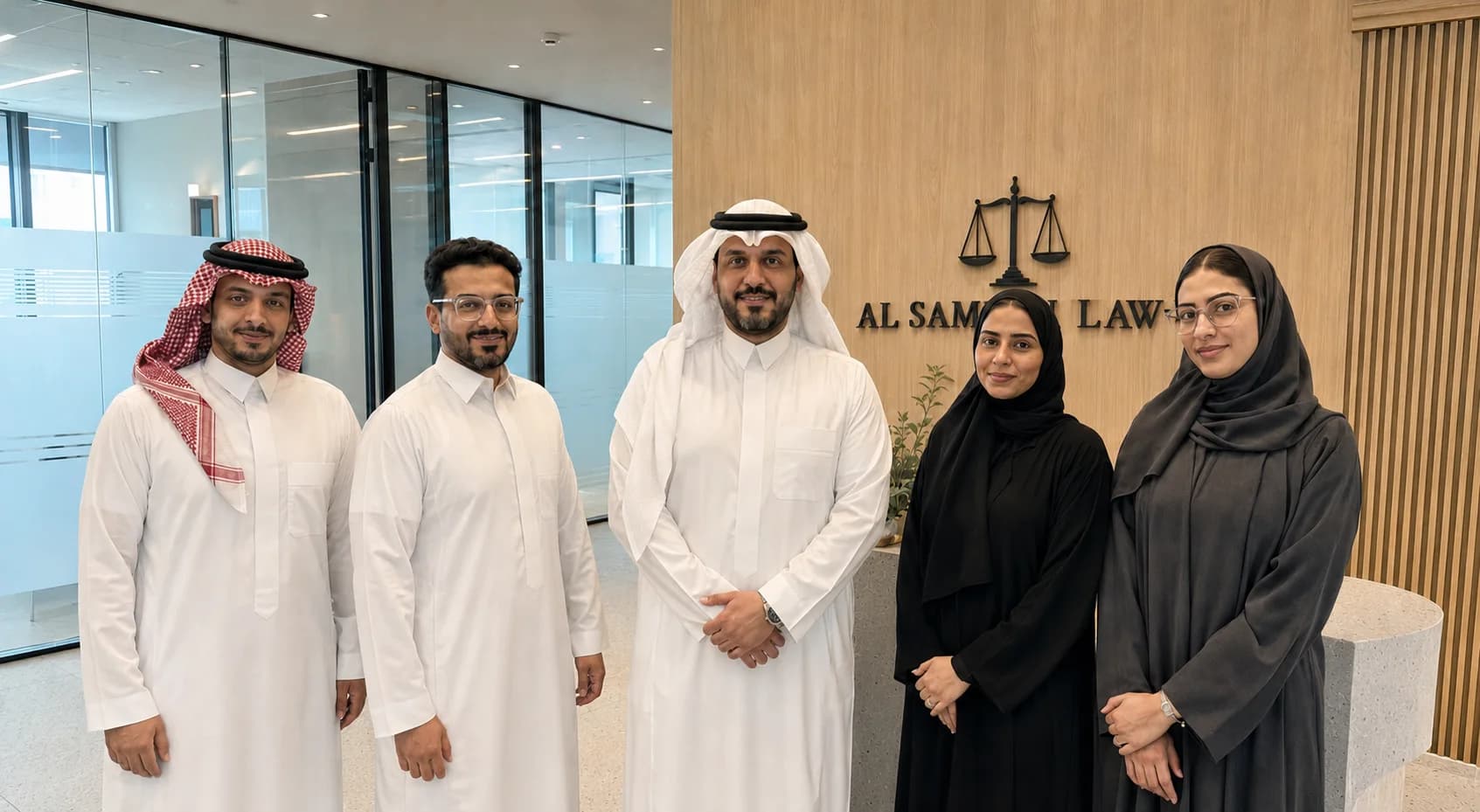
Riyadh · Jeddah · Licensed by the Ministry of Justice
97%
Of accepted cases end in a recovery
Across all cases we have accepted
60%
Of the amount owed, paid within 3 months
Measured from the date we file
1 in 4
Applications accepted
A lawyer reviews every one
22
Countries our clients come from
Mostly the USA and the UK
100%
Of our work is in Saudi Arabia
We practise nowhere else
We are a Saudi law firm. We only handle claims against Saudi companies.
The last one is the one we most want to hear about. Money that was written off can often still be recovered.
Apply to Work With UsMost suppliers give up because they believe nothing can be done from abroad. Saudi Arabia has a dedicated Execution Court. It exists for one purpose: to make people pay what a court has said they owe.
محكمة التنفيذ
The Execution Court
The court can freeze the company’s accounts in the Kingdom.
The court is connected to a government network covering banks, the land registry, vehicle records and shareholdings. The debtor cannot simply claim it owns nothing.
For a company debtor, the court can apply measures to the individuals legally responsible for it.
Without it, the company cannot operate normally.
No new licences, no government contracts, no renewals.
Every bank in the Kingdom can then see it on the company’s credit file.
The court can sell the company’s assets and pay you from the proceeds.
A formal status for a debtor who can pay and refuses. It unlocks the court’s strongest measures.
In our experience the judgment is not what makes a company pay. What makes it pay is knowing its accounts can be frozen and its owner stopped at the airport.
Apply to Work With UsWe are a law firm in Saudi Arabia. We work for companies outside Saudi Arabia. We recover money that Saudi companies owe them. This is every step, from your application to the money reaching your bank.
Send your contract, invoices, delivery proof and emails through the application form. Any language. It is free, it is confidential, and you are not committed to anything.
A lawyer reads it. We accept about one application in four. If we decline, we tell you why.
We check the company in the Saudi commercial register: still trading, assets worth pursuing, bankruptcy or restructuring. Then you get a straight answer. This costs you nothing.
No recovery, no fee. You see the fee and the expected court costs before you commit to anything.
An Arabic demand letter from a Saudi law firm. It cites the law we will rely on, names the court we will file in, and gives a date.
A cheque or promissory note goes straight to the Execution Court with no trial. A contract with invoices goes to the Commercial Court. A foreign arbitration award goes to the Execution Court for recognition. A claim against a government body goes to the Administrative Courts.
With a judgment in hand we return to the Execution Court and apply its measures, one after another, until the debt is recovered or we tell you honestly that it cannot be.
We transfer the recovered amount out of Saudi Arabia to your bank account, and handle the paperwork that comes with it.
| Debtor pays after our demand letter | 2–8 weeks |
|---|---|
| Uncontested claim through to judgment | 6–12 months |
| Contested claim with an appeal | Longer |
| Enforcement after judgment | Weeks to months |
We cannot give you a fixed date. After we review your application we give you a range for your case.
We have recovered SAR 435 million for companies in 22 countries. Most of our clients are in the United States and the United Kingdom. Every case was filed and enforced in Saudi Arabia.
| United States | 31% | |
|---|---|---|
| United Kingdom | 24% | |
| Germany | 11% | |
| India | 8% | |
| China | 7% | |
| Italy | 6% | |
| Türkiye | 5% | |
| 15 other countries | 8% |
SAR 4.2m
German machinery supplier
Eleven invoices unpaid. The debtor had ignored 14 months of emails and two payment plans.
We filed and obtained a freeze on the debtor’s bank accounts nine weeks later.
Paid in fullin 4 months
SAR 12.6m
UK engineering subcontractor
Final account and retention unpaid after the project was handed over. The main contractor disputed the scope of work.
We filed in the Commercial Court. The contractor agreed to settle once the court could begin enforcement.
Settled at 87%, without a trialin 7 months
SAR 3.1m
US exporter
The client had closed the file two years earlier and written the debt off in its accounts.
We traced the debtor through the commercial register to a related company still trading, and reopened the claim.
Recovered in fullin 5 months
SAR 21.4m
Italian contractor
Held an arbitration award from London that nobody had enforced for three years.
We took the award to the Saudi Execution Court for recognition under the New York Convention.
Paid in fullin 6 months
Identifying details have been removed. Past results do not guarantee or predict the outcome of any other case. Outcomes depend on the facts, the evidence and the debtor’s financial position.
We are paid a share of what we recover. If we recover nothing, you owe us no legal fee. The share is agreed in writing before any work starts.
Court fees, government fees, translation and expert costs are not legal fees. We tell you the expected amount before you commit. You will not receive an invoice you were not told about in advance.
You send documents. We investigate the debtor. We tell you what we think. You owe us nothing and you are not committed to anything.
Saudi courts do not award interest on late payment. You can recover the principal debt, and in some cases proven direct losses. Not interest on the delay. We tell you this before you apply, not after.
Where a claim goes depends on what you hold. This is the route each one takes.
Equipment, machinery, materials, components, consumables.
Commercial Court
Progress payments, final accounts, released and unreleased retention.
Commercial Court
Engineering, IT, consulting, design, logistics, staffing, marketing.
Commercial Court
Work done and certified, then cut off.
Commercial Court
The fastest route into enforcement. These skip the trial.
Execution Court
Saudi Arabia has been a party to the New York Convention since 1994.
Execution Court
Through the Execution Court, where the legal conditions are met.
Execution Court
These go to the Administrative Courts, not the commercial courts. Different track, different rules.
Administrative Courts
Deadlines to file are short and strict. Miss one and you lose your place.
Bankruptcy proceedings
If you are not sure which one describes your claim, apply and we will tell you.
Apply to Work With UsOnly a Saudi-licensed lawyer can represent you in a Saudi court. Your lawyer at home cannot file this case, however good they are. We do the part they cannot.
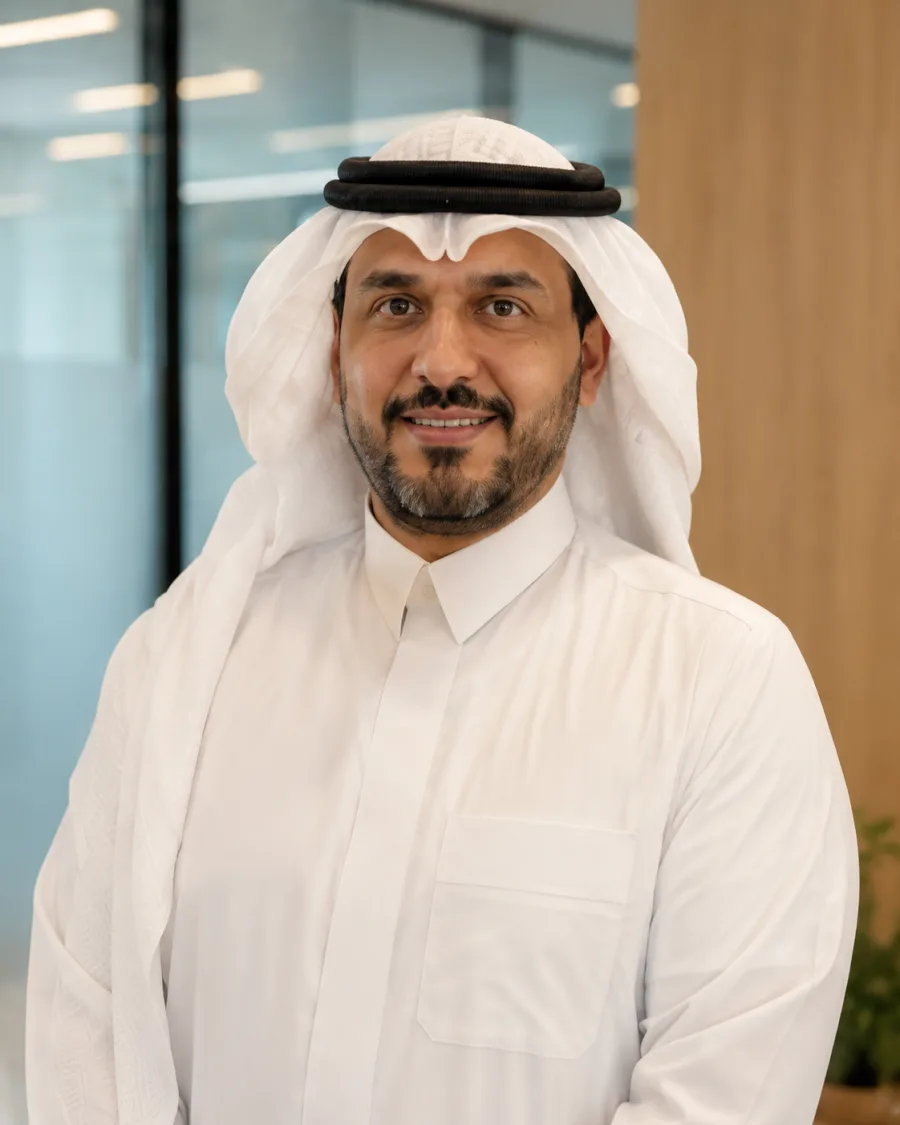
Founding Partner
Founded the firm in 2016. Licensed by the Ministry of Justice since 2009. Leads the commercial litigation practice and signs off on every case the firm accepts.

Partner, Head of Enforcement
Runs the firm’s Execution Court practice. Account freezes, travel bans, asset tracing and the sale of seized property. This is the stage where clients get paid.

Partner, Commercial Litigation
Argues the firm’s cases in the Commercial Courts. Construction final accounts, retention disputes and terminated supply contracts.

Senior Associate, Case Assessment
Reviews every application the firm receives. Checks the debtor, the evidence and the paperwork, and decides whether we take the case.
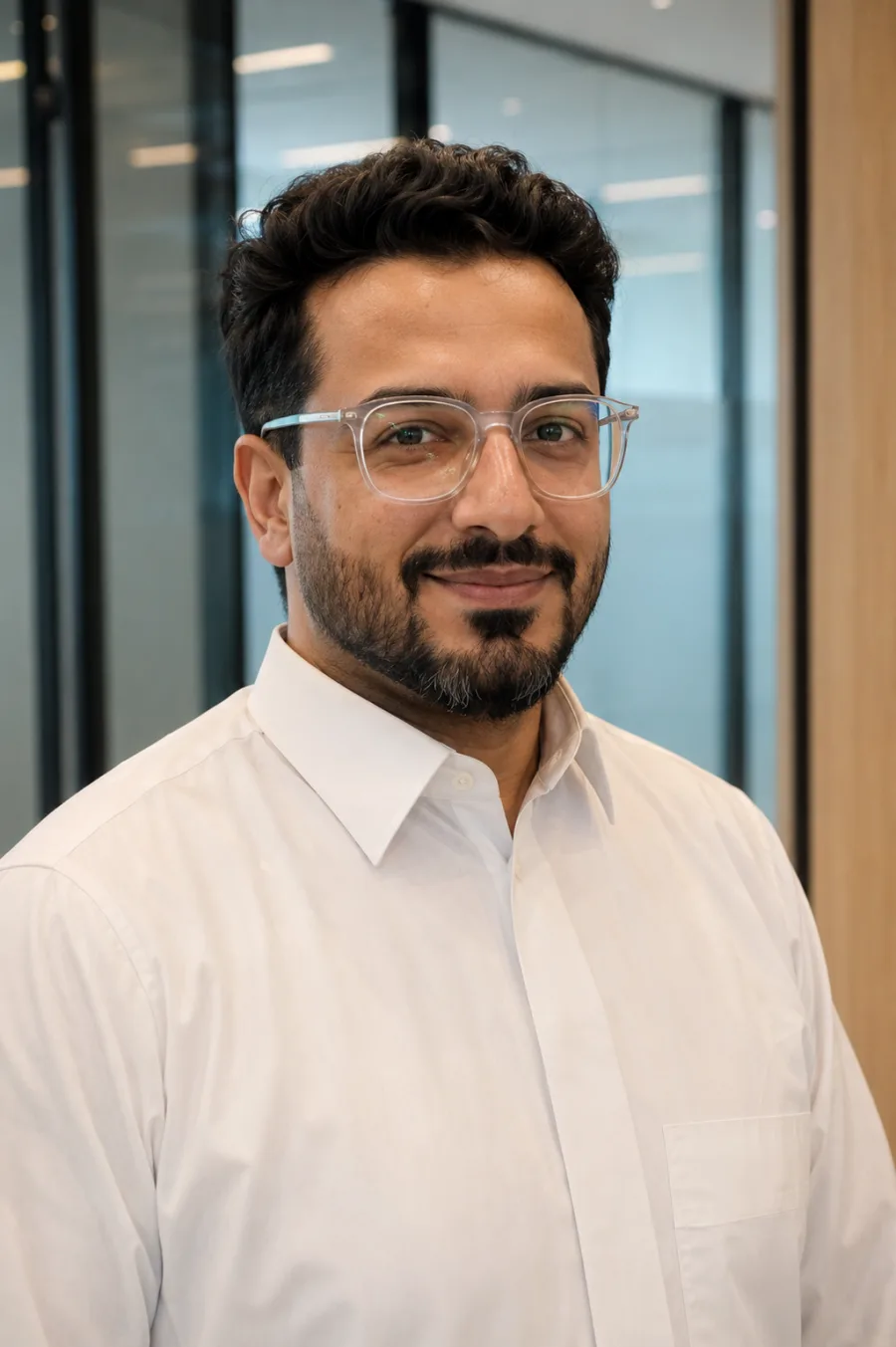
Senior Associate, International Clients
Your point of contact once we accept your case. Handles powers of attorney, certified translation and the written updates you receive in English.
Licensed by the Ministry of Justice, Kingdom of Saudi Arabia. Offices in Riyadh and Jeddah. We work in Arabic and English, and handle client communication in Mandarin, Hindi, Urdu, Turkish, German, Italian and French.
Age does not close a claim. These three things do get harder the longer a debt sits.
The people who signed for your delivery move on. Correspondence is deleted. Evidence is easiest to gather while somebody still remembers the deal.
Money moves. Property is sold. Companies are restructured, renamed, or their Commercial Registration is cancelled. You cannot enforce against a company that has nothing left.
If the debtor enters bankruptcy or restructuring, there are strict deadlines to file your claim, and your position in the queue matters.
Send us the file. We will tell you what can still be recovered.
No. We act for you under a power of attorney. You sign and legalise that document in your own country, and we send you step-by-step instructions. Saudi Arabia joined the Hague Apostille Convention in December 2022, so for most countries this is now a simple apostille rather than full embassy legalisation. Most of our clients never set foot in Saudi Arabia.
Because we only take cases we believe we can win, and that decision needs your documents in front of a lawyer. We accept about one application in four. Reviewing properly before we take a case is the reason 97% of the cases we accept end in a recovery. The application form is the only way we take new matters.
SAR 1 million, about USD 266,000. Below that, legal and court costs usually consume the recovery, and we would be taking your money to run a case that does not pay you back.
No recovery, no fee. We are paid a share of what we recover, agreed in writing before any work starts. Court fees, government fees, translation and expert costs are separate from legal fees and are disclosed to you up front.
Usually yes. Saudi courts work in Arabic, so documents must be translated by a certified translator, and we arrange that. An English contract is not a reason to give up.
Often yes. Saudi courts look at evidence that an agreement existed and that you performed your side. Purchase orders, invoices, signed delivery notes and written admissions of the debt can be enough. Send what you have and we will tell you whether it is sufficient.
If the debtor pays after our demand letter, 2 to 8 weeks. An uncontested claim through to judgment usually takes 6 to 12 months, and enforcement adds weeks to months on top. We give you a realistic range for your case once we have reviewed it.
No. Saudi Arabia only. We do not have offices in twelve countries. We have lawyers in the one country where your debtor’s money actually is.
That promise costs them nothing. Meanwhile your legal deadline gets closer and their assets can move. Keep the promise in writing, because it is useful evidence. Do not let it become the reason you wait another year.
If a company has not paid you in a year, you do not have a business relationship. You have an unpaid debt. In practice a formal legal demand often restarts a real conversation, and many cases settle without reaching trial.
Yes. Claims against government entities go to the Administrative Courts, not the commercial courts, and the procedure is different. We handle both. Tell us exactly who the debtor is.
No. Saudi Arabia has been a party to the New York Convention since 1994 and enforces foreign arbitration awards through the Execution Court. Foreign court judgments can also be enforced where the conditions are met. If you hold an award, you may be much closer to payment than you think.
Not necessarily. Companies are traceable through the Saudi commercial register, and ownership, related companies and the individuals responsible can often be identified. Send us the name you have.
No, but it becomes urgent. Under the Saudi Bankruptcy Law, creditors must file their claims within set deadlines. Miss the deadline and you can lose your place entirely. Apply the same day you hear about it.
No. That is normal for our clients. We advise you on how the currency and the exchange rate are treated in your claim.
Yes. Everything you send is treated as confidential whether or not we take your case.
No. If the debtor has no recoverable assets, or the evidence is too thin, we tell you when we review your application. We are not interested in charging fees for a case that cannot be won.
It takes about ten minutes. A lawyer reads every application. You will hear back within one business day.
SAR 435 million recovered for clients since 2020.
No recovery, no fee. Court fees, government fees, translation and expert costs are separate from legal fees and are disclosed to you before you commit.